
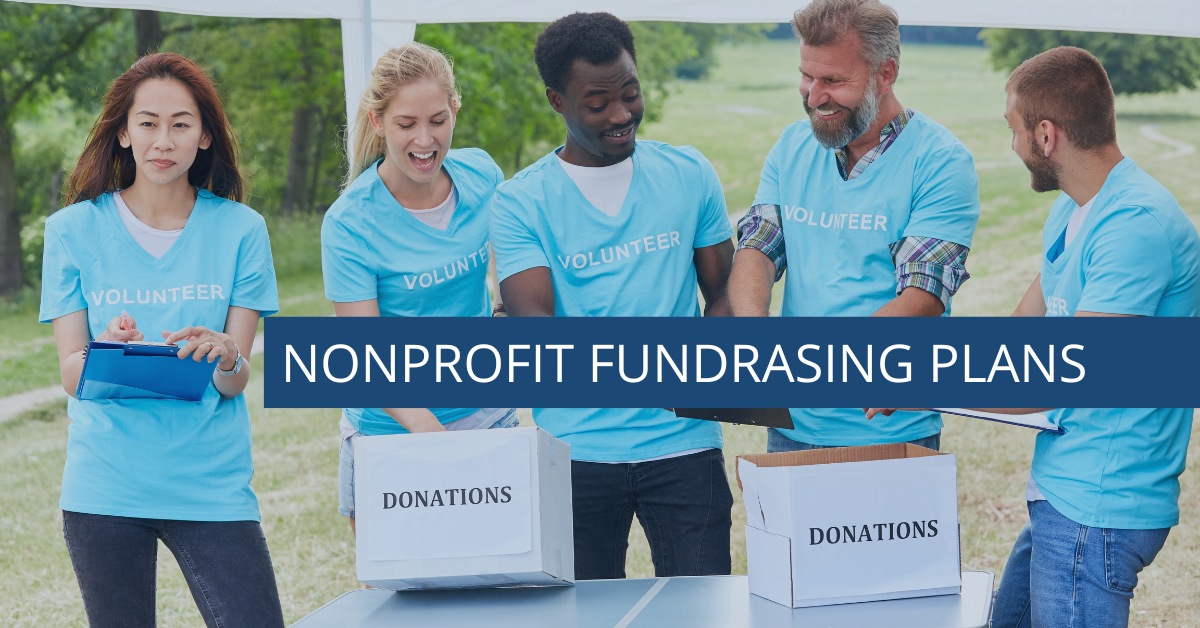
To improve your fundraising strategy, you need to ensure success by preparing a nonprofit fundraising plan.
A fundraising plan demonstrates the preparation of your organization’s fundraising efforts throughout a set time. Please review the process below to get started.
Past Finances
Before moving forward to create a new nonprofit fundraising plan, it’s essential that you look at your past finances. This way, you can extract key insights from this data, such as how you’ve grown in the past year and where you see your organization going.
Pay attention to where your fundraising revenue has come from in the past so that you can add them to your plan.
Donors
Most donors range from a few dollars to several thousand. If your organization has a wide array of small- and mid-level donors, you may choose to place an emphasis on boosting repeat or recurring donations.
Major donors: The definition of a major gift varies greatly from one nonprofit to another. For a smaller nonprofit, a few thousand dollars can constitute a major gift, while larger organizations consider major gifts to run in the six-figure range. Regardless of the definition, an average of 88% of individual donor dollars come from the top 12% of donors.
Corporate giving: The final source of fundraising revenue for many nonprofit organizations comes from businesses and corporations. Much of this revenue comes from matching gift programs, where businesses financially match the generous gifts of their employees to eligible nonprofit organizations.
As you complete these financial reflections, you’ll be able to better cater your fundraising strategy to your personal history, donor network, and current trends.
Expenses
Use this time to also note any room for improvement you see. Are there expenses you can cut? Do you need to allocate more funds to a particular fundraising activity that proved to be effective last year? Do you need to hire a new staff member or reorganize your current structure?
Taking a holistic look at how your organization functions and where you’re spending and receiving money is the foundation of an effective nonprofit fundraising plan.
Vision: An important aspect to any nonprofit fundraising plan
To boost your fundraising strategy, it’s essential that you first have a solid understanding of who you are as an organization. It would be nearly impossible to connect with donors and receive adequate funding without fully defining and communicating your nonprofit’s vision.
Even if your organization has been around for a while and you have a clear vision of who you are and what you do, it can still be incredibly helpful to outline it once again at the start of your planning process. This will ensure that your mission, vision, and values remain top of mind while you plan and accomplish your fundraising goals.
Mission
What is your mission? What is the main issue you see in the world, and how do you visualize yourself mending it? You can use specific stories and goals to explain it and help others visualize themselves as a part of the mission as well.
Why is it important? Why does this issue matter? This can be on a global scale or a more personal level within your community. Plainly express why each potential supporter should want to get involved.
What sets you apart? There are millions of nonprofit organizations worldwide. How can you convince supporters to give their hard-earned dollars to your organization and not another? The key is to brand your nonprofit to position yourself as the best choice.
Nonprofit fundraising plan: Current trends
An important aspect of fundraising (and running a nonprofit in general!) is making sure you’re up to date with any emerging fundraising trends in the nonprofit world. Staying up-to-date will help you better connect with your target audience and encourage new donations.
A few recent trends you might want to keep in mind as you work on your nonprofit fundraising plan include:
Donor-advised funds
One trend that has seen growth in recent years, likely due to associated tax benefits, is the use of donor-advised funds. Through these types of funds, donors set aside charitable contributions without allocating the funds to a particular organization. This way the funds continue to grow, tax-free, during this waiting period. Engaging with donors with these accounts is a good way to build important relationships.
Corporate philanthropy
Matching gift programs, one aspect of corporate philanthropy, continue to grow in popularity as awareness surrounding them increases as well. Corporate matching gifts programs double an incoming donation when participating employers agree to match charitable donations from employees. This way, you get twice the donation while the donor is making twice the impact. A win-win!
Targeting Gen Z
Generation Z, known for being more involved with activism than any generation prior, continues to become more engaged with philanthropy and improving society as a whole. Also known as the “Philanthro-teens,” this generation makes up over a quarter of the global population and are beginning to enter the workforce — and yet many nonprofits leave this group out of the potential donor pool! Specifically targeting Gen-Z with a tailored outreach approach is an important way to grow your nonprofit.
By taking note of these trends and staying on the lookout for any others when you create your fundraising plan, you will have a better understanding of the unique ways you can engage with your donors and foster positive relationships with each of your supporters.
If you can incorporate new trends into your strategy, you can hopefully reach out to a new audience and expand your fundraising. https://www.wildapricot.com/blog/nonprofit-fundraising-plan
Nonprofit Fundraising Plan: Hot Tips
- Build a solid relationship with each donor. Instead of just sending a formal letter, try to, if possible, schedule a face-to-face meeting followed up by a formal letter. This will allow your donors to be involved in your fundraising efforts.
- Make sure that you establish fundraising branding events. In addition, use your budget information to help you with your revenue and expenditures for each fundraising event.
- Important Information about budgets: Tackle your initial budget early. Set up your budget to list expenses for the program and for administration. Your estimated expenses are in three categories:
- Day-to-day Expenses
- Capital Expenses
- Start-up Expense
For More Information on how to be successful with your nonprofit fundraiser, take our course!
Fundraising is absolutely critical to the short-term and long-term goals of a nonprofit organization. Requesting donations from individuals, businesses, churches, and other bodies is needed in order to keep progressing your mission. This nonprofit online course provides training on how to organize, begin, and maintain a successful fundraising venture.
0 Comments